Idea & Strategy
Best Teeth Whitening Products for a Brighter, Whiter Smile
Author:sana
|
Released:May 13, 2026
Oral health is integral to one’s overall well-being, influencing not only physical health but also self-esteem and interactions within social contexts. Among the various aspects of oral hygiene, the color of one’s teeth significantly affects personal appearance and confidence. Whiteness in teeth is frequently associated with beauty and youthfulness, prompting many to pursue effective teeth whitening solutions. In today's fast-paced society, where first impressions carry substantial weight, achieving a bright, white smile transcends mere cosmetic preference; it symbolizes health and vitality.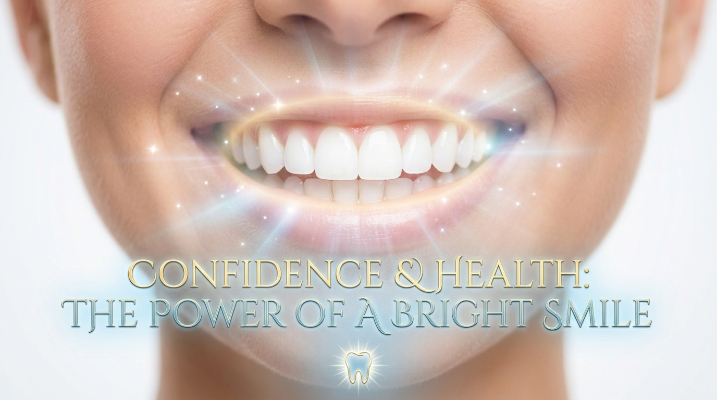
This article serves as a comprehensive guide to the best teeth whitening products available, underscoring their safety and effectiveness. By examining various options, we aim to equip consumers with the knowledge needed to make informed decisions regarding their whitening needs. Understanding the delicate balance between aesthetics and oral health is vital as we explore the science behind effective whitening techniques while ensuring that safety remains a top priority.
Understanding the Best Teeth Whitening Products
When considering what makes a product the "best" for teeth whitening, several factors come into play, especially in terms of user safety, effectiveness, and adaptability to individual needs. Consumers expect these whitening solutions to be safe, yielding visible results without compromising enamel or overall oral health. Therefore, it is essential to seek out products backed by dental associations, containing mild yet effective ingredients.
Furthermore, individuals must maintain realistic expectations regarding treatment outcomes. While some products may promise immediate results, effective whitening usually requires time, with results varying based on initial tooth shade and personal oral care habits. For instance, someone with heavily stained teeth from years of coffee drinking may require a more intensive treatment than someone who merely wants to enhance a mildly stained smile.
Whitening products should also offer flexibility, such as customizable mouth trays or varying concentrations of whitening gels. Consulting with dental professionals and reading product reviews can help ensure a product's suitability for individual circumstances. Ultimately, personal experiences and oral health considerations should guide product choice, emphasizing the importance of personalized routines while fostering realistic expectations for a brighter smile.
The Science Behind Teeth Whitening
Teeth whitening products primarily function by utilizing active ingredients such as hydrogen peroxide or carbamide peroxide. Once applied to the enamel, these compounds penetrate the outer layer of the teeth, breaking down the molecules responsible for discoloration. This process, known as oxidation, effectively lightens the stains, restoring the teeth's natural brightness.
However, results can drastically differ from person to person. Factors like enamel condition—whether it is porous or has been compromised through erosion—can influence how effectively these agents perform. Thinner enamel may lead to heightened sensitivity during the whitening process and potentially less effective results overall.
Prioritizing enamel safety while using whitening products is crucial. Reputable brands formulate their products to minimize enamel damage while maximizing whitening effects. To ensure safety, always select products that carry the seal of approval from dental professionals, as they undergo rigorous testing. Protecting your enamel is essential for achieving brighter teeth without compromising dental health, paving the way for a lasting, beautiful smile.
Types of Teeth Whitening Products to Consider
Several teeth whitening products cater to various needs and preferences when it comes to enhancing your smile. Here are the main categories:
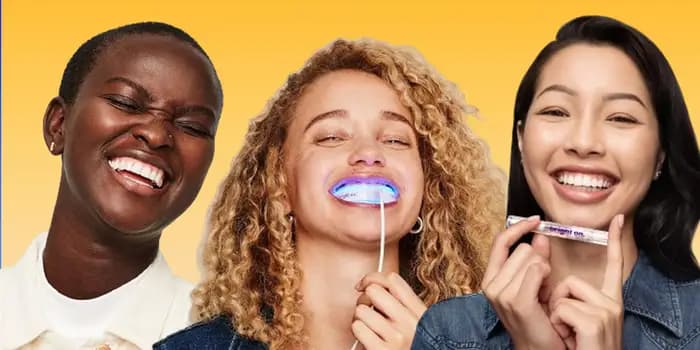
- Whitening Kits: Comprehensive kits often include custom trays and professional-strength gels, utilizing higher concentrations of hydrogen peroxide to penetrate the enamel and lift stains. Brands like Opalescence and Crest 3D White Professional Effects are popular choices. Users typically apply the gel for 30 minutes to an hour daily over one to two weeks.
- Whitening Strips: These convenient and easy-to-use strips, particularly from brands like Crest, adhere to teeth and deliver a lower concentration of whitening agents. Generally worn for around 30 minutes a day, visible results can be seen after a few days of consistent use.
- Whitening Pens: Ideal for on-the-go applications, these pens contain whitening gel that users apply directly onto teeth. Brands like AuraGlow suggest using these once or twice daily for optimal results, although this method tends to be less effective for long-term whitening.
- Whitening Gels: Similar to kits, these gels are used with trays and provide a robust whitening solution. They're popular among consumers for effectiveness, though they may be less user-friendly. Typically, a usage period of 5-10 days is recommended.
Consumers frequently highlight the ease of use and visible results, making these options appealing for anyone seeking a safe way to enhance their smile.
Tailoring Whitening Products for Your Needs
When addressing tooth staining, common culprits include coffee, tea, and red wine. For individuals grappling with stains from these drinks, whitening strips or toothpaste formulated with hydrogen peroxide can be particularly effective, as they penetrate the enamel to lift stubborn stains.
However, if you experience tooth sensitivity, selecting whitening gels with lower concentrations of active ingredients is advisable. Brands like Crest 3D White feature sensitive formulations that minimize discomfort while still producing observable results.
After the initial whitening treatment, maintaining results is vital. Consider incorporating a whitening mouthwash into your daily routine to help neutralize stains between brushing sessions. Additionally, using a straw while enjoying staining beverages can reduce their contact with teeth, further assisting in stain prevention. By adopting a tailored approach to your specific needs—whether addressing stubborn stains, sensitivity concerns, or optimizing maintenance—you can confidently choose the best whitening products for your dental health and aesthetic goals.
Key Ingredients in Whitening Products
When selecting teeth whitening products, recognizing the active ingredients is essential for assessing their effectiveness. Two commonly used components are hydrogen peroxide and carbamide peroxide. Hydrogen peroxide, recognized for its potent whitening properties, breaks down into water and oxygen during the whitening process, making it effective for removing stains. Conversely, carbamide peroxide releases hydrogen peroxide slowly when it decomposes, providing a gentler approach suitable for sensitive teeth.
The strength and concentration of these ingredients significantly influence both the achieved results and potential side effects. Higher concentrations may yield quicker whitening but can also heighten risks like tooth sensitivity and gum irritation. Therefore, it is crucial to adhere to product instructions closely. By following usage guidelines, consumers can maximize whitening effectiveness while minimizing safety risks, ensuring a brighter smile without compromising oral health.
Avoiding Common Teeth Whitening Mistakes
The quest for a brighter smile through teeth whitening products often leads to several common mistakes that hinder success and threaten oral health. Overuse stands out as a prevalent error; users might believe that more frequent application accelerates results, leading to potential tooth sensitivity and gum irritation. It’s vital to follow the manufacturer’s instructions diligently.
Additionally, many individuals ignore signs of sensitivity. If discomfort occurs, it's wise to pause treatment and consider a gentler product. Furthermore, neglecting regular oral hygiene can undermine whitening results; incorporating consistent brushing and flossing promotes both enhanced whitening effects and enamel protection.
To circumvent these pitfalls, establish a practical whitening schedule in line with product guidelines, heed your body’s signals, and, if necessary, consult a dental professional. Being mindful of these factors can lead to a safer, more effective whitening experience that results in a radiant smile without jeopardizing oral health.
Crafting a Safe and Effective Whitening Routine
Choosing the right whitening routine is crucial to achieving a bright smile while protecting your dental health. Begin by evaluating your personal needs: assess the sensitivity of your teeth and the particular types of stains you face. For instance, yellowing due to aging may mandate different products than stains from coffee or tobacco. If existing dental issues are present, consult a dental professional for personalized advice. They can recommend the safest and most effective options suited to your unique circumstances.
Adopting a customized approach is paramount for a successful whitening regimen, as it minimizes discomfort or harm. By understanding your needs and seeking expert guidance, you can confidently embark on your journey toward a whiter smile while ensuring your oral health is well-maintained.
Your Path to a Brighter Smile
Choosing safe and effective teeth whitening products is essential for preserving both aesthetic appeal and dental health. This guide has illuminated various options available on the market while emphasizing the critical importance of safety and suitability for individual needs. By prioritizing oral health over superficial appearance, you set the stage for long-term benefits, allowing you to embark on your teeth whitening journey with confidence. Remember, a bright smile not only enhances your appearance but also reflects the healthy habits you've cultivated along the way, seamlessly combining beauty with care.
You May Like

Idea & Strategy
25 Best Hobby Gifts You’ll Actually Want to Give (From $20)

Idea & Strategy
Ditch the Registry: 35+ Personalized Wedding Gifts They'lKeep Forever

Idea & Strategy
Personalized Gifts That Truly Touch a Mom’s Heart (with Gift Ideas)

Idea & Strategy
Fun & Unique Easter Basket Ideas for Kids, Teens, and Adults

Budget & Urgency